Author: lahiblandscaping@gmail.com

  • Top Hardscaping Trends to Watch for in 2025

    Top Hardscaping Trends to Watch for in 2025

    Top Hardscaping Trends to Watch for in 2025

    As outdoor spaces continue to evolve, hardscaping is playing an increasingly vital role in creating functional, stylish, and sustainable landscapes. Homeowners and businesses alike are prioritizing designs that combine beauty, durability, and innovation to elevate their outdoor environments.

    In this blog, we’ll explore the hardscaping trends set to dominate in 2025, offering inspiration for your next landscaping project.

    1. Sustainable Hardscaping Materials

    With environmental consciousness at an all-time high, 2025 is the year of sustainable hardscaping. Recycled and eco-friendly materials, such as permeable pavers and reclaimed stone, are becoming the go-to choice for reducing environmental impact.

    Benefits:

    • Reduces water runoff and promotes groundwater replenishment.
    • Minimizes the carbon footprint of landscaping projects.
    • Complements natural aesthetics seamlessly.

    Pro Tip: Pair permeable pavers with drought-resistant landscaping for a fully sustainable yard.

    2. Outdoor Living Rooms

    Gone are the days when patios were simple seating areas. In 2025, outdoor living rooms are taking center stage. These fully functional spaces often include features like fire pits, weatherproof furniture, outdoor kitchens, and built-in lighting to create a true extension of indoor living areas.

    Key Features:

    • Fire tables for warmth and ambiance.
    • Retractable covers or pergolas for year-round use.
    • Integrated audio and lighting systems for entertainment.

    3. Bold Geometric Patterns

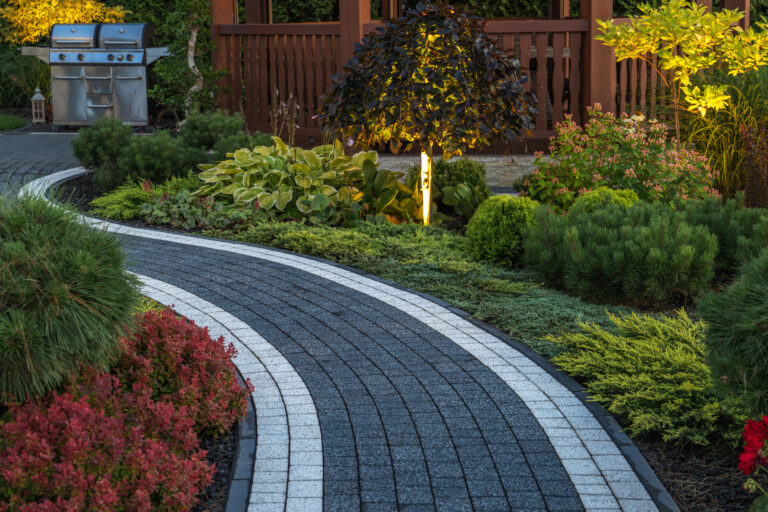
    Hardscaping in 2025 is embracing bold geometric designs that transform patios, walkways, and driveways into artistic statements. Interlocking pavers in hexagonal, chevron, and herringbone patterns are particularly popular, offering a modern and dynamic look.

    Why It’s Trending:

    • Adds visual interest and individuality.
    • Blends well with contemporary architecture.
    • Makes outdoor spaces stand out with minimal extra effort.

    4. Multi-Level Hardscaping

    As outdoor spaces grow more complex, multi-level hardscaping is gaining traction. Layered designs incorporate various levels of patios, steps, retaining walls, and raised garden beds to create depth and dimension.

    Advantages:

    • Maximizes functionality by separating areas for dining, lounging, and play.
    • Ideal for properties with uneven terrain.
    • Adds a luxurious, tiered appearance to landscapes.

    5. Smart Hardscaping Features

    The integration of technology into hardscaping is a game-changer for 2025. From smart lighting systems to heated driveways, homeowners are opting for tech-savvy features that increase convenience and usability.

    Popular Options:

    • Motion-activated lighting for walkways and patios.
    • Wi-Fi-enabled fire pits and fountains.
    • Automated irrigation systems for planters integrated into hardscaping.

    6. Natural Stone and Earthy Tones

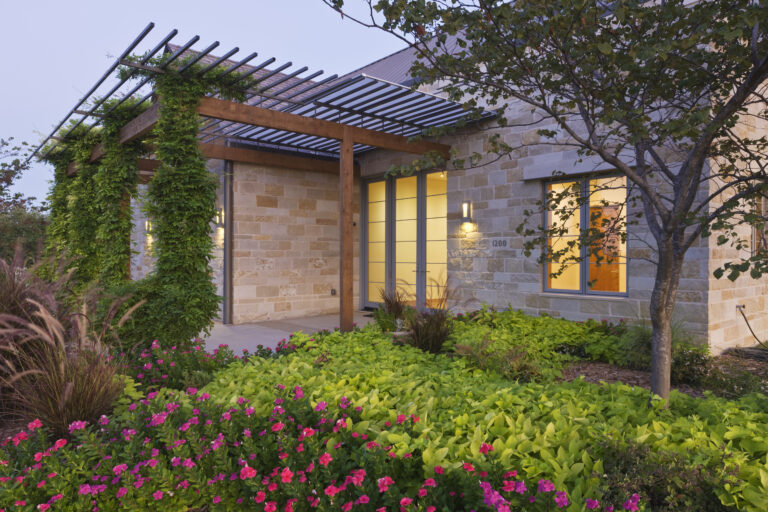
    Natural stone remains a favorite material for hardscaping in 2025, but with a shift toward warmer, earthy tones. Sandstone, limestone, and slate are popular choices for creating a timeless, organic look that blends seamlessly with surrounding landscapes.

    Design Tip: Use mixed stone textures to create a harmonious balance between rustic charm and modern elegance.

    7. Water Features for Serenity

    Water features are becoming essential in hardscaping projects, offering tranquility and sophistication. Small fountains, ponds, and waterfalls are being designed to integrate seamlessly with patios and walkways.

    Why Include Water Features:

    • Promotes relaxation and reduces stress.
    • Increases property value and aesthetic appeal.
    • Creates a natural cooling effect during warmer months.

    8. Minimalist Hardscaping

    Less is more in 2025. Minimalist hardscaping focuses on clean lines, simple layouts, and uncluttered designs that exude elegance and functionality.

    Elements of Minimalism:

    • Neutral-colored pavers.
    • Open spaces with a focus on symmetry.
    • Subtle lighting and unobtrusive features.

    9. Outdoor Wellness Spaces

    With a focus on health and well-being, hardscaping is evolving to include spaces designed for yoga, meditation, and relaxation. Smooth pavers, privacy screens, and calming water features are key components of these outdoor sanctuaries.

    Features to Consider:

    • Pergolas or shaded areas for sun protection.
    • Non-slip pavers for safe workout surfaces.
    • Built-in seating for convenience.

    10. Mixed-Material Designs

    Combining different hardscaping materials—such as wood, concrete, and stone—is a rising trend for 2025. These mixed-material designs offer unique textures and visual contrast, adding depth to outdoor spaces.

    Design Inspiration:

    • Combine wood decking with stone pathways.
    • Use metal accents in retaining walls or planters.
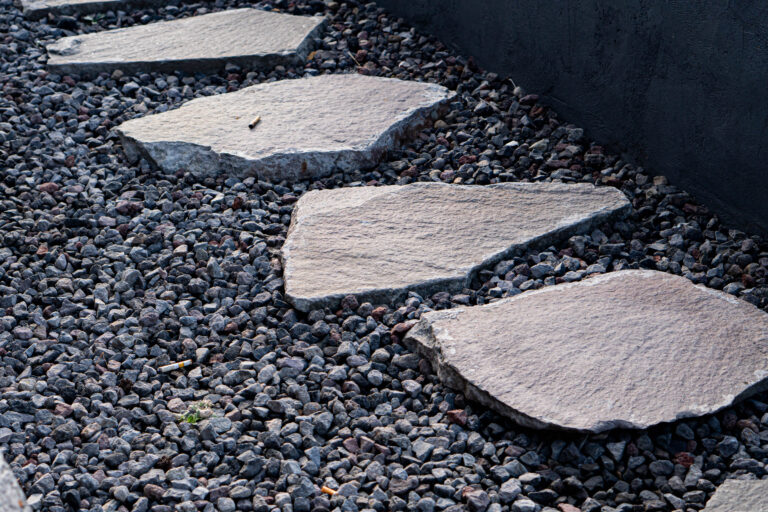
    • Mix gravel with larger pavers for walkways.

    Why Choose Lahib Landscaping for Your Hardscaping Needs

    Staying ahead of trends requires expertise, creativity, and attention to detail. At Lahib Landscaping, we specialize in bringing your vision to life with cutting-edge designs that reflect the latest hardscaping innovations. From selecting the best materials to crafting functional outdoor spaces, our team is dedicated to creating results that enhance your property’s value and charm.

    Final Thoughts

    Hardscaping trends in 2025 offer endless possibilities for transforming your outdoor space into a modern, functional, and beautiful retreat. By incorporating the latest designs and materials, you can create a landscape that stands out and serves your lifestyle needs.


    Want to bring these 2025 hardscaping trends to your property? Contact Lahib Landscaping today for a consultation and let us help you design a stunning outdoor space tailored to your needs!

    Book Free Consultation: https://lahiblandscaping.ca/book-free-consultation/
    Call Us: (226) 577-9777
    Email Us: Lahiblandscaping@gmail.com

  • Focus on Low-Maintenance Hardscaping Solutions

    Focus on Low-Maintenance Hardscaping Solutions

    Focus on Low-Maintenance Hardscaping Solutions

    Creating an outdoor space that is both beautiful and easy to maintain is a top priority for many homeowners and businesses. Low-maintenance hardscaping solutions offer the perfect balance of durability, functionality, and aesthetic appeal while minimizing the time and effort required to keep your outdoor areas looking pristine.

    In this blog, we’ll explore the benefits of low-maintenance hardscaping, popular materials and designs, and how Lahib Landscaping can help you achieve a stress-free outdoor space.

    What Is Low-Maintenance Hardscaping?

    Hardscaping refers to the non-living elements in your landscaping, such as patios, walkways, retaining walls, and outdoor features like fire pits and water fountains. Low-maintenance hardscaping focuses on using materials and designs that require minimal upkeep, saving you time and resources while ensuring long-lasting beauty.

    Benefits of Low-Maintenance Hardscaping

    1. Time Savings
      Spend less time on upkeep and more time enjoying your outdoor space. Low-maintenance solutions eliminate the need for constant repairs or cleaning.
    2. Cost Efficiency
      While initial installation may be an investment, durable materials reduce the need for replacements, repairs, and long-term maintenance costs.
    3. Durability
      High-quality hardscaping materials withstand harsh weather conditions, heavy foot traffic, and daily wear and tear.
    4. Year-Round Appeal
      Unlike plants that change with the seasons, hardscaping remains visually appealing year-round.
    5. Increased Property Value
      Hardscaping enhances curb appeal and functionality, making your property more attractive to potential buyers or tenants.

    Popular Low-Maintenance Hardscaping Solutions

    1. Paving Stones
      • Resistant to cracking and shifting.
      • Require minimal maintenance—just occasional sweeping or pressure washing.
    2. Concrete Pavers
      • Durable and versatile with many design options.
      • Low-maintenance sealants keep them looking fresh.
    3. Gravel Pathways
      • Affordable and easy to install.
      • Minimal upkeep, requiring only occasional raking to redistribute stones.
    4. Composite Decking
      • Made from recycled materials, resistant to rot and fading.
      • Requires only occasional cleaning with soap and water.
    5. Retaining Walls with Durable Materials
      • Use natural stone or interlocking blocks for stability and low upkeep.
    6. Artificial Turf
      • No mowing, watering, or fertilizing required.
      • Looks lush and green year-round with minimal effort.
    7. Outdoor Furniture with Weatherproof Materials
      • Choose options made from teak, aluminum, or synthetic wicker for longevity and ease of maintenance.

    Design Tips for Low-Maintenance Hardscaping

    • Incorporate Drainage Systems: Proper drainage reduces erosion and prevents water damage.
    • Opt for Neutral Colors: Neutral tones hide dirt and wear better than lighter shades.
    • Combine Elements: Blend hardscaping with low-maintenance greenery for visual balance without extra upkeep.
    • Install LED Lighting: Energy-efficient lighting enhances safety and ambiance with minimal maintenance.

    Why Choose Lahib Landscaping for Your Hardscaping Needs?

    At Lahib Landscaping, we specialize in designing and installing low-maintenance hardscaping solutions that align with your lifestyle and property needs. Our team:

    • Uses premium, durable materials.
    • Incorporates innovative designs to maximize functionality.
    • Ensures seamless installation and professional finishing.
    • Offers expert advice to keep your hardscaping looking its best with minimal effort.

    Final Thoughts

    Low-maintenance hardscaping is the ideal choice for homeowners and businesses who want beautiful outdoor spaces without the hassle of constant upkeep. By choosing the right materials and designs, you can enjoy a functional and aesthetically pleasing yard that stands the test of time.


    Ready to transform your outdoor space with low-maintenance hardscaping? Contact Lahib Landscaping today for a consultation and take the first step toward a stunning, stress-free landscape!

    Book Free Consultation: https://lahiblandscaping.ca/book-free-consultation/
    Call Us: (226) 577-9777
    Email Us: Lahiblandscaping@gmail.com

  • The Impact of Landscaping on Property Value

    The Impact of Landscaping on Property Value

    The Impact of Landscaping on Property Value: How a Beautiful Yard Can Boost Your Home’s Worth

    When it comes to increasing the value of your property, landscaping is one of the most effective investments you can make. A well-designed and maintained yard not only enhances curb appeal but also significantly boosts the resale value of your home. Whether you’re planning to sell soon or simply want to enjoy the benefits of a beautiful outdoor space, landscaping offers a range of advantages that go beyond aesthetics.

    In this blog, we’ll explore how professional landscaping can positively impact property value and why it’s a worthwhile investment for homeowners.

    Why Landscaping Matters for Property Value

    A property’s exterior is the first thing potential buyers see, and first impressions matter. According to studies, homes with well-maintained landscaping can sell for up to 15% more than similar properties without it. Here’s why landscaping plays such a crucial role in increasing property value:

    1. Enhanced Curb Appeal
      A lush lawn, vibrant plants, and clean hardscaping create an inviting atmosphere that draws people in. An attractive exterior signals to potential buyers that the home has been well cared for, setting the tone for the entire viewing experience.
    2. Increased Usable Space
      Features like patios, decks, and outdoor kitchens make your yard functional and versatile. These additions are especially appealing to buyers who value outdoor entertaining or need extra living space.
    3. Energy Efficiency
      Strategic landscaping can reduce energy costs by providing shade, blocking wind, and improving insulation. Trees and shrubs planted around a property can lower cooling and heating bills, making the home more appealing to eco-conscious buyers.
    4. Low Maintenance Appeal
      A professionally designed landscape incorporates low-maintenance plants, efficient irrigation systems, and durable materials, which attract buyers looking for beauty without extra work.
    5. Perception of Quality
      Landscaping communicates attention to detail and pride in ownership. Buyers are more likely to view a well-landscaped property as higher-quality and move-in ready.

    Landscaping Features That Boost Property Value

    Not all landscaping projects have the same impact on property value. Below are key features that provide the highest return on investment (ROI):

    • Hardscaping Elements: Patios, walkways, and retaining walls add structure and functionality to your yard.
    • Native Plants: Eco-friendly landscaping with native plants appeals to environmentally conscious buyers and reduces maintenance costs.
    • Outdoor Lighting: Proper lighting highlights your home’s features and enhances security, making your property more attractive.
    • Mature Trees: Trees improve air quality, provide shade, and add a sense of permanence and value.
    • Water Features: Fountains and small ponds add a touch of luxury and tranquility to outdoor spaces.
    • Well-Maintained Lawns: A healthy, green lawn serves as the foundation for an attractive landscape.

    The Benefits of Professional Landscaping

    While DIY landscaping can be rewarding, hiring professionals ensures the job is done right the first time. Here’s how Lahib Landscaping can help you maximize your investment:

    1. Tailored Design: Our team creates customized landscape designs that reflect your style and meet your property’s needs.
    2. Expert Installation: From selecting the right plants to building durable hardscaping, we handle every detail to deliver high-quality results.
    3. Long-Term Maintenance: Regular maintenance ensures your yard remains beautiful and healthy, protecting your investment over time.
    4. Knowledge of Market Trends: We stay updated on landscaping trends to implement designs that appeal to today’s buyers.

    Tips for Maximizing ROI on Landscaping

    1. Focus on Curb Appeal: Keep your front yard neat and welcoming to create a positive first impression.
    2. Incorporate Sustainable Practices: Use native plants, efficient irrigation, and eco-friendly materials for long-term benefits.
    3. Prioritize Functional Features: Invest in patios, walkways, and outdoor living spaces that buyers find valuable.
    4. Stay Consistent with Your Home’s Style: Ensure your landscaping complements the architectural style of your property.

    Final Thoughts

    Landscaping is more than just a way to beautify your property—it’s a smart financial decision that increases your home’s value and marketability. By investing in professional landscaping services, you can create an outdoor space that not only enhances your quality of life but also delivers a significant ROI.


    Ready to boost your property value with expert landscaping? Contact Lahib Landscaping today to schedule a consultation and discover how we can transform your yard into a valuable asset!

    Book Free Consultation: https://lahiblandscaping.ca/book-free-consultation/
    Call Us: (226) 577-9777
    Email Us: Lahiblandscaping@gmail.com

  • DIY Landscaping vs. Professional Landscaping: Why Hiring Experts Pays Off

    DIY Landscaping vs. Professional Landscaping: Why Hiring Experts Pays Off

    When it comes to transforming your outdoor space, landscaping is one of the most impactful ways to
    enhance your property’s curb appeal, functionality, and overall aesthetic. As a homeowner or business
    owner, you might consider taking on a DIY landscaping project to save money and add a personal touch.
    However, while the idea of a DIY project can be tempting, it often doesn’t deliver the same results as
    hiring professional landscapers.


    At Lahib Landscaping, we understand the appeal of handling your own landscaping tasks, but we also
    know that hiring experts offers numerous benefits that can make a world of difference. In this blog, we’ll
    break down the pros and cons of DIY landscaping versus professional landscaping and explore why hiring
    experts ultimately saves time, money, and frustration.

    DIY Landscaping: Is It Right for You?
    DIY landscaping offers several advantages that can make it an appealing option for some homeowners,
    especially if you’re working with a limited budget or have a passion for gardening. Let’s take a closer look
    at some of the potential benefits and drawbacks of handling your own landscaping.

    Advantages of DIY Landscaping:

    • Cost Savings: The most obvious benefit of DIY landscaping is the potential cost savings. By
      skipping the labor fees of hiring a professional landscaping service, you can invest more in
      materials such as plants, mulch, and hardscaping features.
    • Personal Satisfaction: There’s something rewarding about seeing a landscaping project through
      from start to finish. If you have a green thumb or enjoy outdoor work, DIY landscaping can be a
      fulfilling hobby that allows you to put your personal touch on your property.
    • Creative Control: DIY landscaping allows you to make all the decisions, from choosing plant
      species to selecting hardscaping materials. If you’re particular about every detail and want full
      control over the design, DIY might be an appealing option.
      Drawbacks of DIY Landscaping:
    • Lack of Expertise: While you may have a vision for your landscape, executing it effectively
      requires knowledge of plant growth patterns, soil types, drainage, and design principles. Without
      this expertise, you might end up with a garden that doesn’t thrive or a hardscaping feature that
      doesn’t stand the test of time.
    • Time-Consuming: Landscaping is a labor-intensive process that requires careful planning,
      attention to detail, and ongoing maintenance. If you have a busy schedule, dedicating weekends
      or evenings to your project may become overwhelming.
    • Risk of Mistakes: Without professional guidance, you might make mistakes that can be costly to
      fix later. Poorly planted trees, incorrect irrigation systems, or improperly installed patios can
      result in additional expenses or even damage to your property.
    • Limited Resources: As a DIY landscaper, you may not have access to the best materials,
      equipment, or tools needed to achieve the desired results. This can limit the quality and
      longevity of your landscaping work.

    Book Free Consultation: https://lahiblandscaping.ca/book-free-consultation/
    Call Us: (226) 577-9777
    Email Us: Lahiblandscaping@gmail.com

  • Interlocking vs. Paving Stones: Which is the Best Option for Your Project?

    Interlocking vs. Paving Stones: Which is the Best Option for Your Project?

    Interlocking vs. Paving Stones: Which is the Best Option for Your Project?
    When it comes to designing your outdoor space, one of the key decisions you’ll need to make is selecting
    the right materials for your hardscaping features, such as patios, walkways, driveways, and pathways.
    Two of the most popular options are interlocking pavers and paving stones. Both are durable and
    versatile, but they have distinct advantages and limitations. So, how do you know which one is the best
    fit for your project?


    At Lahib Landscaping, we understand the importance of choosing the right materials for your landscape,
    and we’re here to help you understand the differences between these two options. In this blog, we’ll
    compare interlocking pavers and paving stones to help you make an informed decision for your next
    outdoor project.

    What Are Interlocking Pavers?
    Interlocking pavers are modular units made from concrete, stone, or other durable materials that fit
    together seamlessly without the need for mortar. They are designed to “interlock” with one another,
    providing a flexible and durable surface that is well-suited for outdoor applications.


    Advantages of Interlocking Pavers:

    • Flexibility and Strength: Because they interlock, these pavers can shift slightly without cracking,
      making them ideal for areas with frequent temperature changes or movement.
    • Easy Repair: If one paver becomes damaged or stained, it can easily be replaced without
      disrupting the surrounding area. This is a significant advantage for high-traffic areas.
    • Variety of Designs: Interlocking pavers come in a wide range of shapes, sizes, and colors,
      allowing for creative designs and custom patterns that can enhance the aesthetic of your
      landscape.
    • Improved Drainage: The spaces between interlocking pavers allow water to pass through, which
      helps with drainage and prevents pooling or runoff. This feature is especially beneficial in areas
      prone to heavy rain.

    Best Uses for Interlocking Pavers:

    • Driveways
    • Patios
    • Walkways
    • Pool decks
    • Commercial and residential landscapes

    What Are Paving Stones?
    Paving stones (or patio stones) are larger, solid slabs of stone, concrete, or other materials used to create
    a smooth, flat surface for patios, walkways, and driveways. Unlike interlocking pavers, paving stones are
    typically laid down in a uniform pattern with little to no space between them.


    Advantages of Paving Stones:

    • Sleek, Clean Look: Paving stones offer a more uniform and sleek appearance, creating a smooth,
      continuous surface. This can be ideal for formal settings or when you want a sophisticated,
      minimalist design.
    • Durability: Paving stones are solid and can withstand heavy loads, making them suitable for
      driveways or areas with frequent vehicle traffic.
    • Low Maintenance: Because of their solid, continuous surface, paving stones require less
      maintenance than interlocking pavers. There are fewer gaps where weeds or grass can grow, and
      the surface is easier to clean and maintain.
    • Variety of Materials: Paving stones come in a variety of materials, including natural stone,
      concrete, and clay, allowing you to choose the option that best fits your style and budget.

    Best Uses for Paving Stones:

    • Patios and seating areas
    • Walkways
    • Poolside areas
    • Garden paths
    • Decorative outdoor spaces

    Key Differences Between Interlocking Pavers and Paving Stones
    When deciding between interlocking pavers and paving stones, consider the following factors:

    • Design Flexibility: Interlocking pavers offer more custom design options with varied shapes,
      sizes, and patterns. If you’re looking to create unique or intricate designs, interlocking pavers are
      ideal. On the other hand, paving stones provide a cleaner, uniform surface, which works well for
      a more minimalist or formal aesthetic.
    • Durability: Interlocking pavers tend to perform better in environments with fluctuating
      temperatures or potential shifting ground because they can move slightly without cracking.
      Paving stones, though durable, are more likely to crack if the ground shifts. However, paving
      stones are better suited for heavy traffic areas like driveways because of their solid structure.
    • Maintenance: Interlocking pavers are easier to repair because individual pavers can be replaced
      if damaged. Paving stones, with their continuous surface, are harder to repair, but they require
      less maintenance over time since there are fewer gaps for weeds to grow.
    • Drainage: The gaps between interlocking pavers allow water to pass through, promoting better
      drainage and reducing the risk of water pooling. Paving stones, with their solid surface, may
      require additional drainage solutions in areas prone to water runoff.

    When to Choose Interlocking Pavers

    1. Flexible Design: If you want to create a custom look with intricate patterns or shapes, interlocking
      pavers are the way to go. The variety of sizes, colors, and patterns allows for more creativity.
    2. Better Drainage: For areas where water drainage is a concern, such as driveways or walkways with
      heavy rainfall, interlocking pavers are a better option. The gaps between the pavers allow rainwater to flow through the surface, reducing the likelihood of puddles.
    3. Heavy Traffic Areas: Interlocking pavers are great for areas with high traffic because their flexible
      design allows them to shift and settle without cracking, ensuring a longer-lasting surface.
    4. Easy Repairs: If you’re working with a large area, like a driveway or patio, and anticipate potential
      repairs in the future, interlocking pavers make it much easier to replace individual units without
      disrupting the entire surface.

    When to Choose Paving Stones

    1. Sleek, Continuous Look: If you’re going for a smooth, uniform look with minimal gaps between the
      materials, paving stones are a great choice. They create a sleek, sophisticated surface ideal for patios, poolside areas, or formal settings.
    2. Low Maintenance: For homeowners who prefer a lower-maintenance option, paving stones are an
      excellent choice. Since they have fewer gaps where grass or weeds can grow, they’re easier to maintain and clean.
    3. Heavy Loads: Paving stones are solid and durable, making them perfect for areas with heavy vehicle
      traffic, such as driveways or entrances. The solid structure of paving stones ensures they can handle the weight of cars without shifting.
    4. Budget-Friendly Options: Paving stones can be more affordable than interlocking pavers, especially
      when you are opting for larger slabs or basic materials. If cost is a major factor, paving stones might be the better choice.

    Final Thoughts: Which Is Best for Your Project?
    Both interlocking pavers and paving stones have their unique benefits, and the right choice for you
    depends on your specific needs and project requirements. If you’re looking for flexibility in design, better
    drainage, and ease of repair, interlocking pavers may be the better option. However, if you prefer a sleek,
    low-maintenance surface that can withstand heavy loads and has a continuous, uniform appearance,
    paving stones could be the way to go.


    At Lahib Landscaping, we specialize in both interlocking pavers and paving stones, and we’re committed
    to helping you choose the best option for your outdoor space. Our expert team can provide guidance on
    design, installation, and maintenance to ensure your project is a success.


    Ready to take your outdoor space to the next level? Contact Lahib Landscaping today for a consultation
    and let us help you decide whether interlocking pavers or paving stones are the best fit for your next
    hardscaping project.

    Book Free Consultation: https://lahiblandscaping.ca/book-free-consultation/
    Call Us: (226) 577-9777
    Email Us: Lahiblandscaping@gmail.com